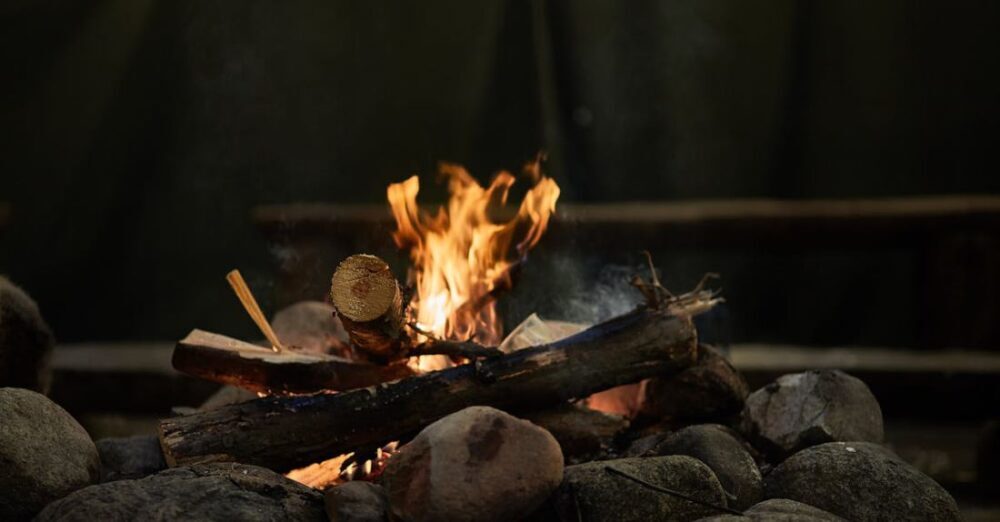
Campfires are an essential part of many outdoor experiences, whether you’re camping in the wilderness, picnicking at a park, or simply enjoying a cozy evening in your backyard. However, starting a campfire safely is crucial to prevent accidents and protect the environment. By following some key tips and guidelines, you can enjoy the warmth and ambiance of a campfire while minimizing risks. Here’s how you can start a campfire safely.
Choose the Right Location
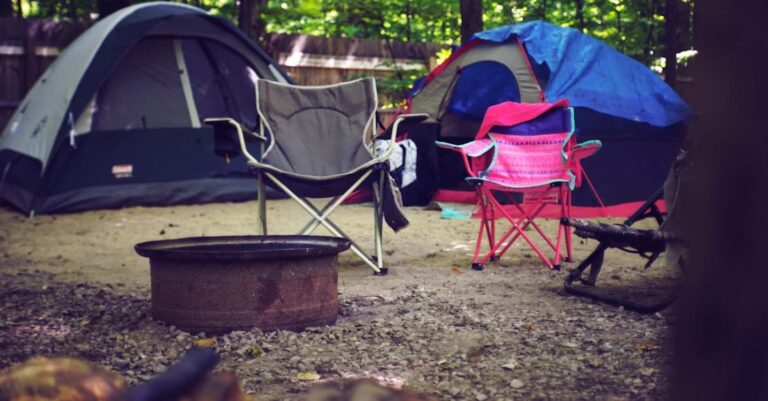
Selecting the right location for your campfire is the first step in ensuring safety. Look for a designated fire ring or pit if you’re in a campground or recreational area. If you’re in a remote location, choose a spot that is at least 15 feet away from tents, trees, shrubs, and other flammable materials. Clear the area of any debris, such as dry leaves or grass, that could easily catch fire.
Gather the Right Materials
Before starting your campfire, gather the necessary materials to fuel and ignite it. You’ll need tinder, such as dry leaves, twigs, or grass, to get the fire going. Kindling, such as small sticks or branches, will help the fire grow. Larger pieces of firewood will sustain the fire once it’s burning steadily. Avoid using wood that is damp or green, as it will produce more smoke and be harder to ignite.
Build the Fire Properly
There are several common methods for building a campfire, such as the teepee, log cabin, or pyramid. Regardless of the technique you choose, start by placing a small amount of tinder in the center of your fire ring or chosen location. Gradually add kindling in a crisscross pattern on top of the tinder, leaving enough space for air to circulate. Once the kindling is burning well, add larger pieces of firewood to keep the fire going.
Use Safe Ignition Methods
When it comes to lighting your campfire, opt for safe ignition methods to prevent accidents. Waterproof matches, disposable lighters, or a fire starter are all reliable options. Avoid using gasoline, lighter fluid, or other accelerants, as they can cause the fire to flare up uncontrollably. When lighting the fire, position yourself upwind to prevent the flames from reaching your face or clothing.
Monitor the Fire
Once your campfire is burning steadily, it’s essential to monitor it closely to prevent accidents. Never leave a fire unattended, even for a short period. Keep a bucket of water, a shovel, or a fire extinguisher nearby in case the fire starts to spread. Avoid moving burning logs or embers around, as they can easily ignite nearby materials.
Extinguish the Fire Completely
When you’re ready to extinguish your campfire, do so thoroughly to prevent any chance of it reigniting. Use a shovel to spread out the embers and logs, allowing them to cool down. Slowly pour water over the fire, stirring the ashes to ensure all embers are extinguished. Continue adding water until the hissing sounds stop, indicating that the fire is completely out. Touch the ashes to check for any remaining heat before leaving the site.
Respect Nature and Leave No Trace
As outdoor enthusiasts, it’s our responsibility to respect nature and leave no trace behind when enjoying campfires. Before leaving your campfire site, ensure that the fire is fully extinguished and the area is clean of any trash or debris. Pack out all garbage, including food scraps and packaging, to keep the environment pristine for future visitors.
Enjoy Campfires Safely
Campfires can enhance the outdoor experience and create lasting memories, but it’s essential to start them safely and responsibly. By choosing the right location, gathering the necessary materials, building the fire properly, using safe ignition methods, monitoring the fire, and extinguishing it completely, you can enjoy campfires while minimizing risks. Remember to respect nature, leave no trace, and follow all guidelines and regulations regarding campfires in your area. With these tips in mind, you can have a safe and enjoyable campfire experience every time.