Creating a haven for birds in your backyard is a rewarding and simple project that can enhance your outdoor space while also providing a safe shelter for our winged friends. Building a birdhouse is a delightful way to attract various bird species to your garden, allowing you to observe their fascinating behaviors up close. Follow these easy steps to construct a charming birdhouse that will not only add a decorative touch to your backyard but also contribute to the well-being of local bird populations.
Selecting the Right Materials
Before diving into the construction process, it’s crucial to gather all the necessary materials. Opt for untreated wood such as cedar or pine, as they are durable and safe for the birds. Avoid pressure-treated wood, as it may contain harmful chemicals. You will also need wood glue, screws, a saw, a drill, a measuring tape, and sandpaper for a smooth finish.
Designing Your Birdhouse
The design of your birdhouse plays a significant role in attracting birds. Research the types of birds found in your area to determine the appropriate size of the entrance hole and the overall dimensions of the birdhouse. Different bird species have specific requirements, so tailoring your design to accommodate their needs will increase the chances of occupancy.
Constructing the Birdhouse
Start by cutting the wood into the necessary pieces according to your design plan. Assemble the back, sides, and bottom of the birdhouse using wood glue and screws. Ensure that the structure is sturdy and secure to withstand various weather conditions. Next, drill a hole for the entrance, making sure it is the appropriate size for the birds you wish to attract. Sand down any rough edges to create a smooth surface that is safe for the birds.
Adding a Roof and Perch
To provide protection from the elements, attach a sloped roof to the top of the birdhouse. This will prevent water from seeping into the nesting area and keep the interior dry. A perch near the entrance hole can be a welcoming feature for birds to land on before entering the birdhouse. Be mindful of the size and placement of the perch to ensure it does not hinder the birds’ access.
Painting and Decorating
Once the basic structure is complete, you can add a personal touch to your birdhouse by painting it in vibrant colors or adding decorative details. Use non-toxic paint to avoid harmful chemicals that could be detrimental to the birds. Consider incorporating natural elements such as twigs or leaves to blend the birdhouse seamlessly into its surroundings.
Placing the Birdhouse
The location of your birdhouse is crucial for attracting birds. Mount it on a pole or tree at least five to ten feet above the ground to protect the birds from predators. Ensure that the entrance hole faces away from prevailing winds and direct sunlight to maintain a comfortable temperature inside the birdhouse. Providing a clear flight path to the entrance will also make it easier for birds to access their new home.
Observing Bird Activity
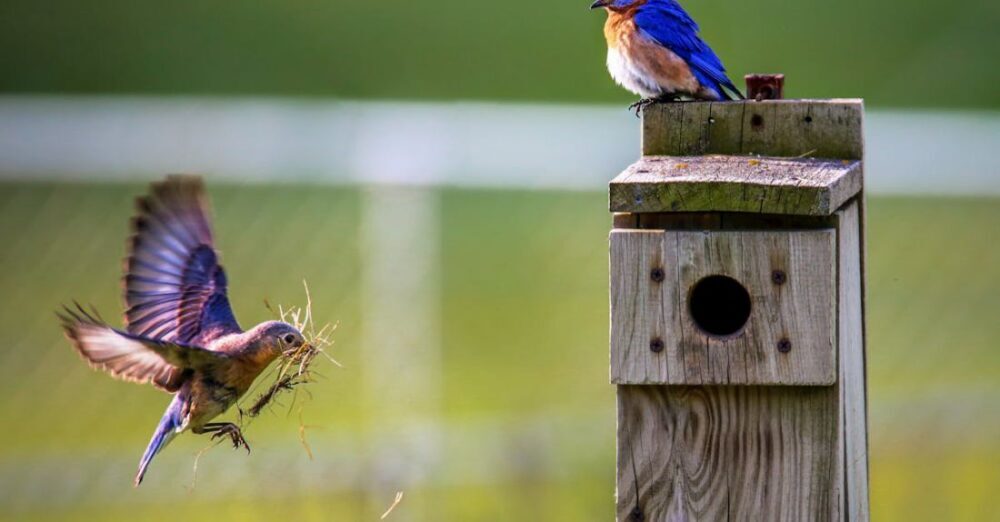
Once your birdhouse is in place, sit back and observe the avian visitors that come to make it their home. Keep an eye out for nesting materials being brought in, as this indicates that birds have taken up residence. Providing a source of water nearby, such as a birdbath, will attract even more feathered friends to your backyard.
Embracing the Rewards
Building a birdhouse for your backyard is a fulfilling endeavor that brings nature closer to home. By creating a safe and inviting space for birds, you not only enhance your outdoor environment but also contribute to the conservation of local bird populations. Take pleasure in watching the comings and goings of your avian neighbors, knowing that your efforts have provided them with a sanctuary in which to thrive.