
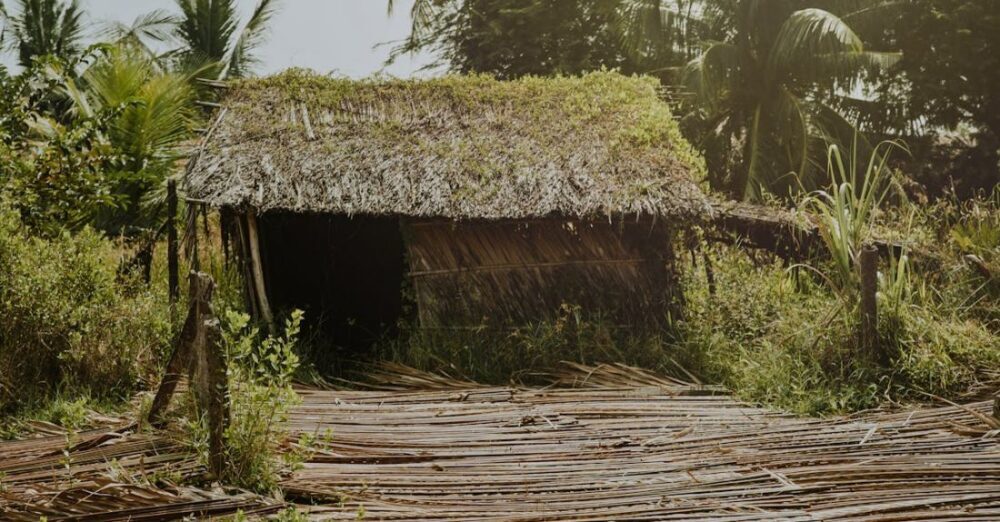
Surviving in the wild can be a challenging yet rewarding experience. One of the essential skills for wilderness survival is knowing how to build a shelter. The ability to create a shelter using natural materials can provide protection from the elements and increase your chances of survival in a survival situation.
Understanding the Environment
Before you start building a shelter in the wild, take a moment to observe your surroundings. Look for a location that is away from potential hazards such as falling branches, rocky outcrops, or areas prone to flooding. Choose a spot that is relatively flat and free from debris. Pay attention to the direction of the wind and position your shelter accordingly to maximize protection.
Types of Shelters
There are various types of shelters you can build in the wild, depending on the materials available and the time you have. Some common types of shelters include lean-tos, debris huts, and A-frame shelters. Each type of shelter has its advantages and disadvantages, so choose the one that best suits your situation.
Lean-to Shelter
A lean-to shelter is one of the simplest shelters to build in the wild. To construct a lean-to, find a sturdy tree or a large rock to serve as a support for the shelter. Lean branches or logs against the support to create a sloping roof. Cover the roof with leaves, branches, or any other available material to provide insulation and protection from the rain.
Debris Hut Shelter
A debris hut shelter is a more complex structure that offers better protection from the elements. To build a debris hut, start by creating a frame using long branches or saplings. Fill the frame with smaller branches, leaves, and other debris to create a thick, insulating layer. Make sure the entrance of the shelter is small to retain heat and keep out predators.
A-frame Shelter
An A-frame shelter is a sturdy and reliable option for a wilderness shelter. To build an A-frame shelter, start by securing two long branches or poles in an A shape. Add cross beams to create a stable structure. Cover the frame with branches, leaves, or a tarp to provide protection from the rain and wind.
Using Natural Materials
When building a shelter in the wild, it’s essential to use natural materials that are readily available in your environment. Look for branches, leaves, grass, and other debris to construct your shelter. Avoid cutting down live trees or damaging the environment unnecessarily.
Insulation and Ventilation
To stay warm and dry in your shelter, it’s crucial to provide adequate insulation and ventilation. Add layers of leaves, grass, or other materials to the walls and roof of your shelter to trap heat and block out the cold. Create a small opening or vent in your shelter to allow for airflow and prevent condensation.
Testing Your Shelter
Once you have built your shelter, take some time to test its effectiveness. Spend a night in the shelter to see how well it protects you from the elements. Make any necessary adjustments to improve its insulation, stability, or comfort.
Surviving in the wild requires resourcefulness and adaptability. By learning how to build a shelter using natural materials, you can increase your chances of survival in a wilderness situation. Remember to stay calm, assess your surroundings, and use the resources available to you to create a safe and secure shelter.