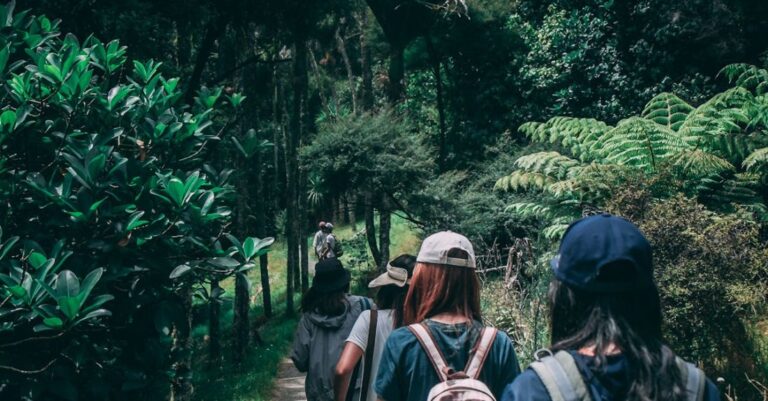

For campers who enjoy spending time in the great outdoors, it is essential to understand and practice effective conservation techniques to minimize environmental impact. By being mindful of the surroundings and taking proactive steps to protect the environment, campers can help preserve the natural beauty of the wilderness for generations to come. In this article, we will explore some of the most effective conservation techniques that campers can adopt to ensure they leave no trace and minimize their ecological footprint.
Leave No Trace Principles
One of the fundamental principles of responsible camping is adhering to the Leave No Trace principles. These guidelines provide a framework for minimizing impact on the environment and leaving nature as pristine as possible. The seven Leave No Trace principles include planning ahead and preparing, camping on durable surfaces, disposing of waste properly, leaving what you find, minimizing campfire impacts, respecting wildlife, and being considerate of other visitors. By following these principles, campers can significantly reduce their impact on the environment and promote sustainability.
Pack Out What You Pack In
One of the most important conservation techniques for campers is to pack out what they pack in. This means taking all trash, including food wrappers, containers, and other waste, with you when you leave a campsite. Leaving trash behind not only harms the environment but also poses a threat to wildlife. By properly disposing of waste and recycling whenever possible, campers can help keep natural areas clean and protect the ecosystem.
Use Biodegradable and Eco-Friendly Products
When camping, it is essential to use biodegradable and eco-friendly products whenever possible. Opt for biodegradable soaps, detergents, and toiletries to minimize water pollution and harm to aquatic life. Choose reusable containers and utensils to reduce waste and avoid single-use plastics. By making conscious choices about the products you bring on your camping trip, you can significantly reduce your environmental impact and contribute to conservation efforts.
Stay on Designated Trails
To protect fragile ecosystems and prevent soil erosion, campers should always stay on designated trails when hiking or exploring the wilderness. Straying off-trail can damage vegetation, disturb wildlife habitats, and contribute to soil erosion, compromising the integrity of the ecosystem. By sticking to established trails and following park regulations, campers can help preserve the natural landscape and prevent irreversible damage to the environment.
Practice Responsible Campfire Safety
Campfires are a beloved tradition for many campers, but they can also have a significant impact on the environment if not managed properly. To minimize the ecological footprint of campfires, campers should use established fire rings or pits when available and follow fire regulations in the area. Always fully extinguish fires before leaving a campsite and never leave a fire unattended. By practicing responsible campfire safety, campers can enjoy the warmth and ambiance of a fire while protecting the surrounding environment.
Respect Wildlife and Natural Habitats
Another essential conservation technique for campers is to respect wildlife and natural habitats. Avoid feeding wildlife, as it can disrupt natural foraging behaviors and create dependency on humans. Keep a safe distance from wildlife and observe from afar to minimize stress and disturbance. Respect protected areas and wildlife sanctuaries by following regulations and guidelines to ensure the preservation of species and ecosystems.
Conclusion:
By adopting these effective conservation techniques, campers can enjoy the great outdoors while minimizing their environmental impact and promoting sustainability. Responsible camping practices not only protect the environment but also contribute to the preservation of natural areas for future generations to enjoy. Remember, every small effort counts towards conservation, and by being mindful of our actions, we can help protect the beauty of the wilderness for years to come.