
Fishing is a popular pastime enjoyed by many outdoor enthusiasts. Whether you prefer the serene tranquility of a river or the vast expanse of a lake, each fishing environment presents unique challenges and opportunities. Understanding the differences between fishing in a river versus a lake can greatly enhance your fishing experience and increase your chances of a successful catch.
**The Dynamic Nature of Rivers**
Rivers are dynamic ecosystems that constantly flow, creating a diverse habitat for fish. When fishing in a river, it is essential to take into account the current, as it can significantly influence the behavior of the fish. Fish in rivers are often more active and aggressive due to the flowing water, making them more likely to chase after bait or lures.
One key aspect of river fishing is understanding how to position yourself relative to the current. Fish tend to face upstream in rivers, waiting for food to be carried to them by the flow of water. By casting your line upstream and letting it drift naturally with the current, you can mimic the movement of natural prey and increase your chances of enticing a bite.
**Tactics for River Fishing**
In rivers, targeting areas with structure such as rocks, fallen trees, or submerged vegetation can be productive, as these provide shelter and hiding spots for fish. Pay attention to eddies, where the current swirls back on itself, as these areas often concentrate fish looking for an easy meal.
Using lighter tackle and smaller baits can be effective in river fishing, as the faster current requires a more subtle presentation to entice bites. Additionally, adjusting your retrieval speed to match the flow of the water can help make your bait appear more natural to the fish.
**The Stillness of Lakes**
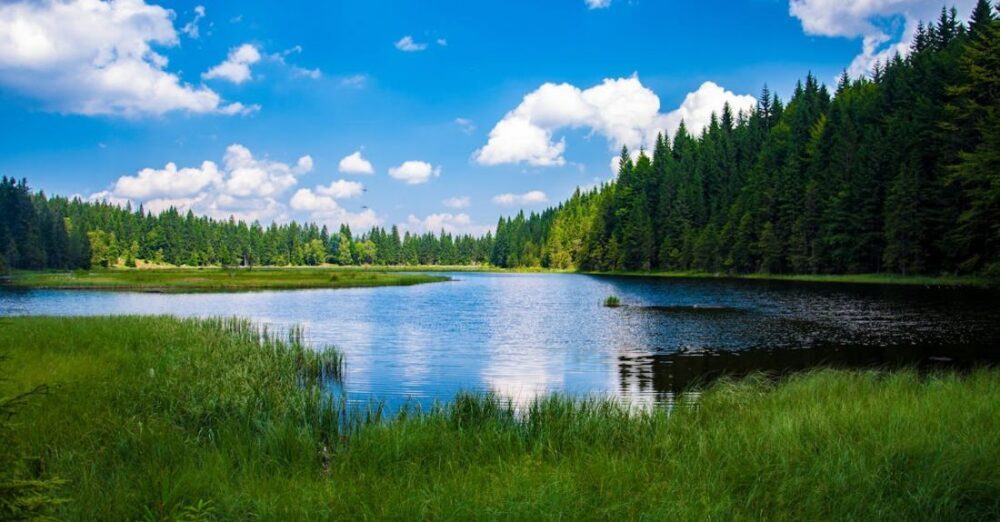
Lakes, on the other hand, offer a more tranquil fishing experience with calmer waters. Unlike rivers, lakes do not have a current that dictates the movement of the fish, allowing them to roam freely throughout the water body. Fish in lakes tend to be more spread out, requiring anglers to cover more ground to locate them.
When fishing in a lake, it is important to understand the structure of the underwater terrain. Points, drop-offs, weed beds, and submerged structures are all prime locations where fish are likely to congregate. Using a fish finder can be helpful in identifying these underwater features and pinpointing areas where fish are holding.
**Strategies for Lake Fishing**
In lakes, a strategic approach is key to success. Trolling, casting, and drift fishing are common techniques used to cover a larger area and locate actively feeding fish. Experimenting with different depths and locations can help determine where fish are most active on any given day.
In contrast to river fishing, using slightly heavier tackle in lakes can be advantageous, as it allows for longer casts and better control over your presentation. Larger baits and lures can also be effective in lakes, where fish have more space to roam and are more likely to go after bigger prey.
**Adapting to Conditions**
Regardless of whether you are fishing in a river or a lake, it is essential to adapt to the prevailing conditions. Factors such as weather, water temperature, time of day, and seasonal patterns can all influence fish behavior and feeding habits. Being observant and willing to adjust your tactics accordingly can make a significant difference in your fishing success.
**In Summary**
Fishing in a river versus a lake presents different challenges and opportunities for anglers. Understanding the dynamic nature of rivers and the stillness of lakes can help you tailor your fishing tactics to maximize your chances of a successful catch. By adapting to the unique characteristics of each environment and employing the right strategies, you can enhance your fishing experience and reel in some memorable catches.