Camping trips are a great way to connect with nature, unwind, and enjoy the great outdoors. However, one aspect of camping that requires careful consideration is how to store food safely. Proper food storage is essential to prevent foodborne illnesses and to keep your camping experience hassle-free. By following some simple guidelines and tips, you can ensure that your food stays fresh and safe throughout your camping adventure.
Choose the Right Containers
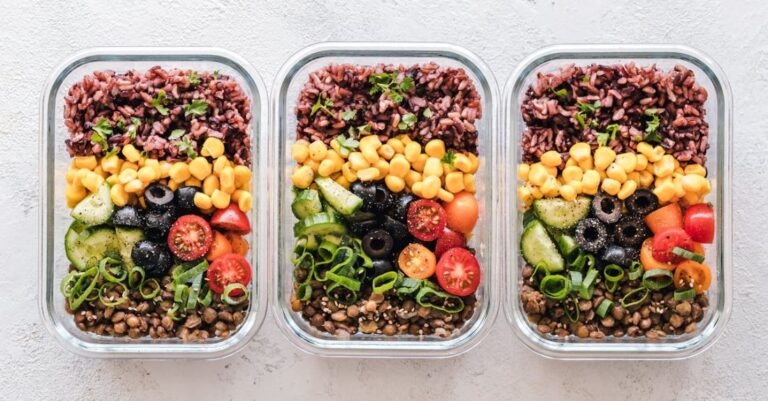
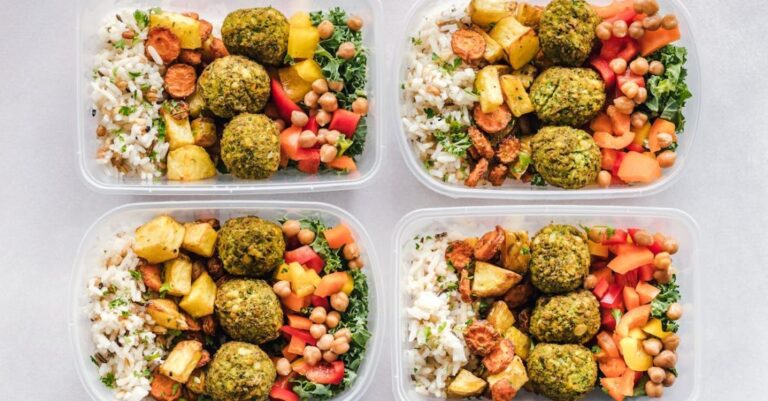
When it comes to storing food while camping, the first step is to choose the right containers. Opt for airtight containers that will keep out moisture and pests. Consider using resealable bags, plastic containers, or coolers with tight-fitting lids. Make sure that all containers are clean and dry before storing food to prevent contamination.
Separate Raw and Cooked Foods
To avoid cross-contamination, it is important to separate raw and cooked foods. Store raw meats, poultry, and seafood in separate containers to prevent the spread of harmful bacteria. Keep these items on ice or in a cooler to maintain their freshness and prevent spoilage. Cooked foods should also be stored in airtight containers and kept separate from raw items to prevent any potential contamination.
Utilize Coolers and Ice Packs
Coolers are essential for keeping perishable foods fresh while camping. Invest in a good quality cooler that is large enough to store all your food items. Pack the cooler with ice packs or ice cubes to keep the temperature low and prevent food from spoiling. Place raw meats at the bottom of the cooler to prevent any drips from contaminating other items. Keep the cooler out of direct sunlight and avoid opening it frequently to maintain a consistent temperature.
Practice Proper Food Handling
Proper food handling is crucial for preventing foodborne illnesses while camping. Wash your hands with soap and water before and after handling food. Use separate cutting boards and utensils for raw and cooked foods to prevent cross-contamination. Cook foods to their recommended internal temperatures to kill any harmful bacteria. Store leftovers promptly in airtight containers and consume them within a safe timeframe.
Secure Your Food from Wildlife
Wildlife can be a common concern while camping, especially when it comes to storing food. To prevent unwanted visitors such as bears, raccoons, or squirrels, it is important to secure your food properly. Use bear-proof containers or bear bags to hang your food away from your campsite. Avoid keeping food inside your tent or sleeping area, as this can attract animals. Be mindful of your surroundings and follow any specific guidelines or regulations for food storage in the area where you are camping.
Minimize Food Waste
To make the most of your camping food supply and reduce waste, plan your meals and portion sizes carefully. Pack non-perishable items such as canned goods, dried fruits, and nuts that do not require refrigeration. Consider using ingredients that can be used in multiple dishes to minimize the number of items you need to store. Use up perishable items first and try to plan meals that will use similar ingredients to avoid leftovers.
Wrap Up
Proper food storage is essential for a safe and enjoyable camping experience. By choosing the right containers, separating raw and cooked foods, utilizing coolers and ice packs, practicing proper food handling, securing your food from wildlife, and minimizing food waste, you can ensure that your camping trip is free from foodborne illnesses and mishaps. With these tips in mind, you can relax and enjoy your time in the great outdoors without worrying about the safety of your food.