Witnessing wildlife in its natural habitat is a thrilling and unforgettable experience that allows us to connect with the beauty and wonder of the natural world. Whether you are an avid wildlife enthusiast or simply looking to appreciate the stunning diversity of flora and fauna around you, knowing the best times of day for wildlife viewing can greatly enhance your chances of spotting elusive creatures in their element.
**Early Morning**
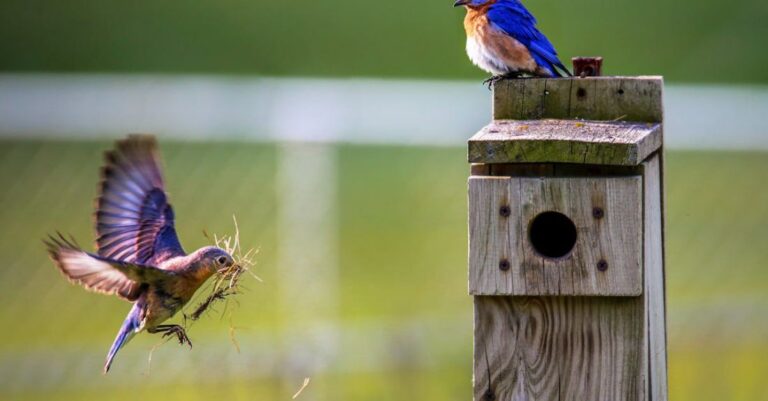
The early morning hours are often considered the best time of day for wildlife viewing. As the sun begins to rise, many animals become more active, making it an ideal time to observe them in their natural behaviors. Birds, in particular, are most active during the early morning hours as they forage for food and engage in territorial displays. Mammals such as deer and rabbits are also more likely to be seen during this time as they come out to feed before the heat of the day sets in.
**Late Afternoon**
Late afternoon is another prime time for wildlife viewing. As the day starts to cool down, many animals become more active again, making it a great time to catch a glimpse of them in action. Predators such as big cats and wolves are often more active during the late afternoon and early evening hours as they begin their hunts. Additionally, many herbivores are out grazing during this time, providing ample opportunities for observing them in their natural habitat.
**Nighttime**
While not as commonly thought of as a time for wildlife viewing, the nighttime can offer a unique and exciting opportunity to see nocturnal animals in action. Creatures such as owls, bats, and raccoons are most active during the night, making it a great time to observe their behaviors. Many animals that are elusive during the day, such as foxes and porcupines, may also be more easily spotted at night. To enhance your nighttime wildlife viewing experience, consider taking a guided night tour led by experienced naturalists who can help you spot and identify creatures in the dark.
**Midday**
Although midday is generally not considered the best time for wildlife viewing due to the heat and decreased activity of many animals, there are still opportunities to see wildlife during this time. Some species, such as reptiles and insects, are more active during the heat of the day and can be easily spotted basking in the sun or foraging for food. Additionally, bodies of water, such as rivers and lakes, can be great places to observe wildlife during the midday hours as animals come to drink and cool off.
**Seasonal Considerations**
In addition to the time of day, the season can also greatly impact wildlife viewing opportunities. Spring and fall are typically the best times for wildlife viewing as many animals are more active during these transitional seasons. Spring is a time of renewal and mating for many species, making it an ideal time to see animals engaging in courtship displays and caring for their young. Fall, on the other hand, is a time of abundance as animals prepare for the winter months, making it a great time to see them feeding and storing food.
**Making the Most of Your Wildlife Viewing Experience**
To make the most of your wildlife viewing experience, be sure to plan ahead and research the best times and locations for spotting the animals you are interested in. Consider visiting wildlife reserves, national parks, and other protected areas where animals are more likely to be seen in their natural habitats. Additionally, be respectful of the animals and their environments by observing from a safe distance and following any guidelines or regulations set forth by park authorities.
**In Summary**
Knowing the best times of day for wildlife viewing can greatly enhance your chances of spotting and observing animals in their natural habitats. From the early morning hours when birds are most active to the late afternoon when predators begin their hunts, each time of day offers unique opportunities to witness the beauty and diversity of wildlife. By planning ahead, being patient, and respecting the animals and their environments, you can make the most of your wildlife viewing experience and create lasting memories of the wonders of the natural world.