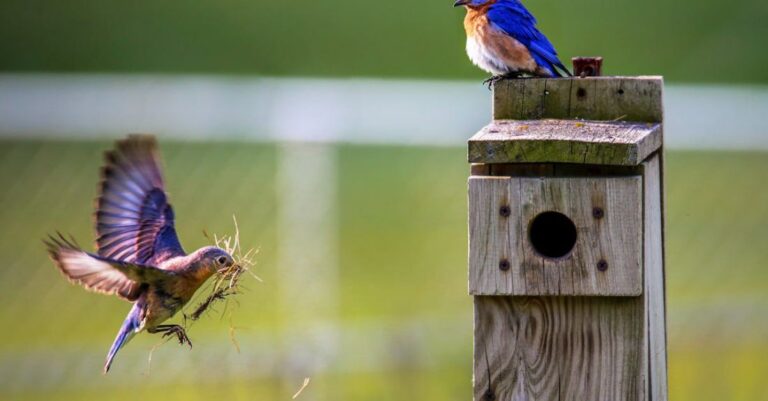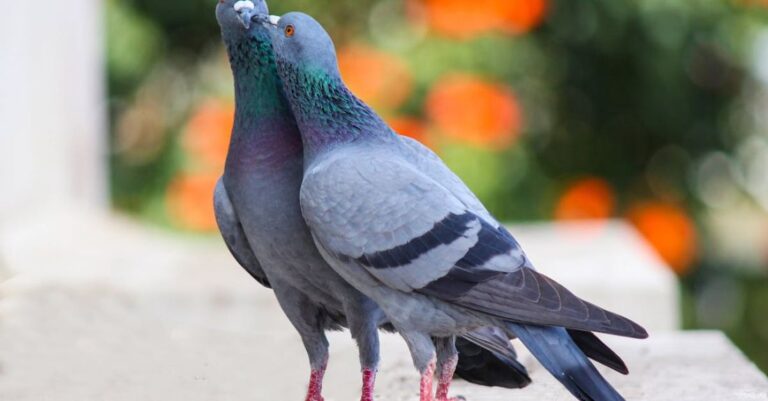

Spotting wildlife while hiking can be an exhilarating experience that connects you with nature on a deeper level. Whether you are an avid hiker or just starting out, knowing how to spot wildlife can enhance your outdoor adventures. Here are some of the best tips to help you maximize your chances of encountering animals in their natural habitat.
Choose the Right Time of Day
The time of day you choose to hike can greatly impact your chances of spotting wildlife. Early mornings and late afternoons are usually the best times to see animals as they are most active during these hours. Many animals tend to be more visible during the cooler parts of the day when they are foraging for food or moving to different areas. Additionally, the lighting during these times can be more favorable for spotting wildlife as the sun is lower in the sky, casting longer shadows and making animals easier to see.
Be Quiet and Patient
Wild animals are naturally wary of humans and will often flee at the slightest hint of danger or disturbance. To increase your chances of spotting wildlife, it is important to be as quiet as possible while hiking. Avoid talking loudly, rustling through bushes, or making sudden movements that could scare off animals. Instead, move slowly and deliberately, taking the time to observe your surroundings carefully. Patience is key when it comes to wildlife spotting, so be prepared to spend some time in one spot, waiting for animals to appear.
Look for Signs of Wildlife
Animals often leave behind clues that can help you identify their presence even if they are not visible. Keep an eye out for tracks, droppings, feathers, fur, or scratches on trees, as these can all indicate that wildlife is nearby. Birds are particularly good indicators of other wildlife in the area, so listen for their calls and watch their behavior for clues about larger animals. By paying attention to these signs, you can increase your chances of successfully spotting wildlife on your hike.
Use Binoculars or a Camera
Having a pair of binoculars or a camera with a telephoto lens can greatly enhance your wildlife spotting abilities. Binoculars allow you to see animals from a distance without disturbing them, while a camera can help you capture the moment and identify species later on. When using binoculars, scan the area slowly, focusing on areas where animals are more likely to be found, such as near water sources or along forest edges. Remember to respect wildlife and their space by observing from a safe distance and not getting too close for a photo.
Stay on Designated Trails
One of the most important rules of wildlife spotting while hiking is to stay on designated trails and respect the natural environment. By sticking to established paths, you minimize your impact on the ecosystem and reduce the risk of disturbing wildlife. Venturing off-trail can disrupt animal habitats, trample vegetation, and cause erosion, ultimately making it harder to spot wildlife in the long run. Follow the Leave No Trace principles and tread lightly to ensure that the wilderness remains a safe and undisturbed haven for wildlife.
Conclusion:
Spotting wildlife on a hike can be a rewarding and memorable experience that allows you to connect with nature in a unique way. By choosing the right time of day, being quiet and patient, looking for signs of wildlife, using binoculars or a camera, and staying on designated trails, you can increase your chances of encountering animals in their natural habitat. Remember to approach wildlife with respect and admiration, always keeping a safe distance to ensure their well-being and preserve the beauty of the wilderness for future generations to enjoy. Happy hiking and happy wildlife spotting!